
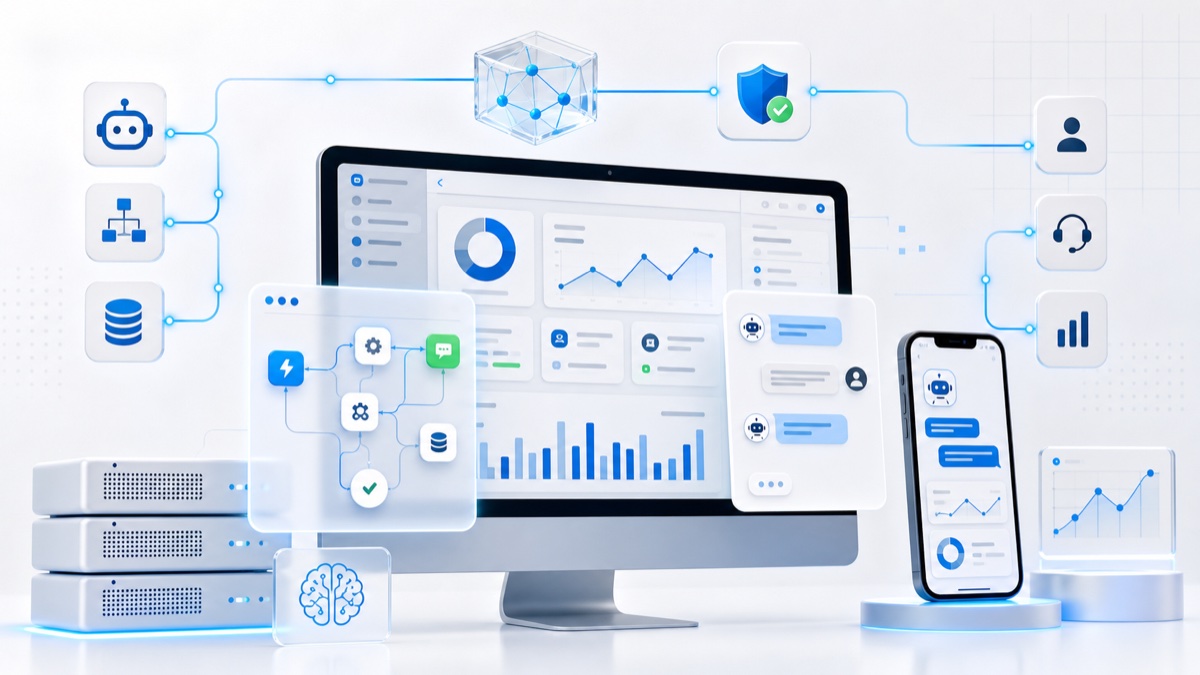


Use-case and data readiness
We define the business workflow, users, source data, success metrics, permissions, edge cases, and where automation should assist rather than overreach.
Blisslers builds AI chatbots, workflow automation, intelligent search, and data-driven product features that help support, operations, and product teams reduce repetitive work without losing control.
We combine LLM APIs, orchestration frameworks, vector search, secure backend services, analytics, and human review paths so automation improves workflows without becoming a black box.


The best automation starts with a narrow use case, reliable data, clear guardrails, and measurable output. We build chatbots and automation features around that foundation.
A chatbot or workflow tool should not guess its way through sensitive tasks. We design scoped automations with structured data access, permissions, fallback states, logging, and human review where the business needs control.
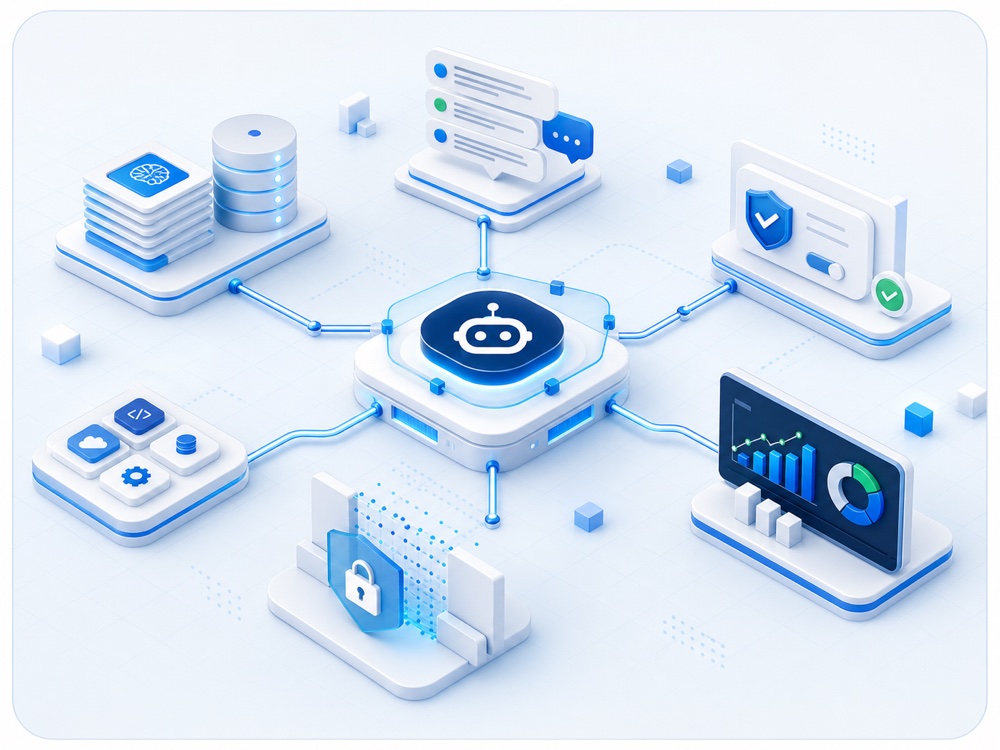
We help teams identify practical automation opportunities, connect the right data, design safe interaction flows, and ship product features that reduce manual work.
Support, sales, internal helpdesk, and guided workflow bots with escalation paths.
Rules, triggers, approvals, data sync, notifications, and scheduled jobs for operations teams.
Product features that classify, extract, compare, or route images and documents when useful.
Text classification, summarization, extraction, tagging, sentiment analysis, and knowledge search.
LLM-assisted drafts, reports, recommendations, and content workflows with review controls.
Dashboards, operational metrics, user behavior insights, and decision support connected to product data.
Strong AI service pages explain the use case, data readiness, integrations, privacy, guardrails, testing, and operational ownership. We build automation around the workflow first so the model supports measurable product behavior.
We define the business workflow, users, source data, success metrics, permissions, edge cases, and where automation should assist rather than overreach.
Conversation flows, retrieval, API actions, admin controls, analytics, escalation paths, and human review are built into the product experience.
Guardrails, prompt evaluation, test sets, access control, output review, logging, privacy checks, and performance monitoring keep automation reliable after launch.
We start with the business workflow, not the model. Then we assess data readiness, design the interaction, integrate the feature, test outputs, and monitor performance after release.
We identify the use case, expected output, data sources, risk level, success metric, and where human review is needed.
We choose the right model, prompt structure, retrieval approach, rules, and fallback behavior for the workflow.
We connect the feature to APIs, product data, permissions, UI flows, monitoring, and operational systems.
We test outputs, review edge cases, monitor usage, and improve the automation based on real workflow performance.
Blisslers builds AI chatbot development, workflow automation, intelligent search, analytics workflows, recommendation features, and secure product automation that connects to real business systems.
Blisslers provides chatbot development, workflow automation, data model integration, intelligent search, analytics workflows, recommendation features, and workflow-based product experiences.
The team starts with the business use case, evaluates data readiness, designs guardrails, tests outputs, adds human escalation where needed, and connects automation features to existing systems through secure APIs.
Yes. Blisslers can connect automation to CRMs, helpdesks, databases, internal tools, APIs, documents, dashboards, and product workflows when access and data readiness support the use case.
Useful preparation includes clear user intents, source documents, product data, escalation rules, privacy requirements, success metrics, and examples of good and bad answers.
Yes. Blisslers can add intelligent search, summaries, recommendations, analytics, classification, admin review, and chatbot experiences to existing web or mobile products.


