


Research and product structure
We map users, tasks, journeys, screens, information hierarchy, roles, edge states, empty states, and decisions that make the product easier to understand.
Blisslers designs SaaS, web, and mobile product experiences that make complex workflows easier to understand. We create user flows, prototypes, UI systems, and developer-ready handoff for products that need clarity and momentum.
We use modern product design tools for research, wireframes, prototypes, usability checks, design systems, motion notes, and engineering handoff that keeps implementation aligned with the design intent.


Clear UX turns complex product logic into decisions users can make quickly. We reduce friction across onboarding, navigation, forms, dashboards, permissions, empty states, and critical conversion paths.
A product can have strong engineering and still lose users if the interface feels unclear. Our design process maps user journeys, simplifies decisions, defines consistent UI patterns, and gives engineers the detail they need to build accurately.
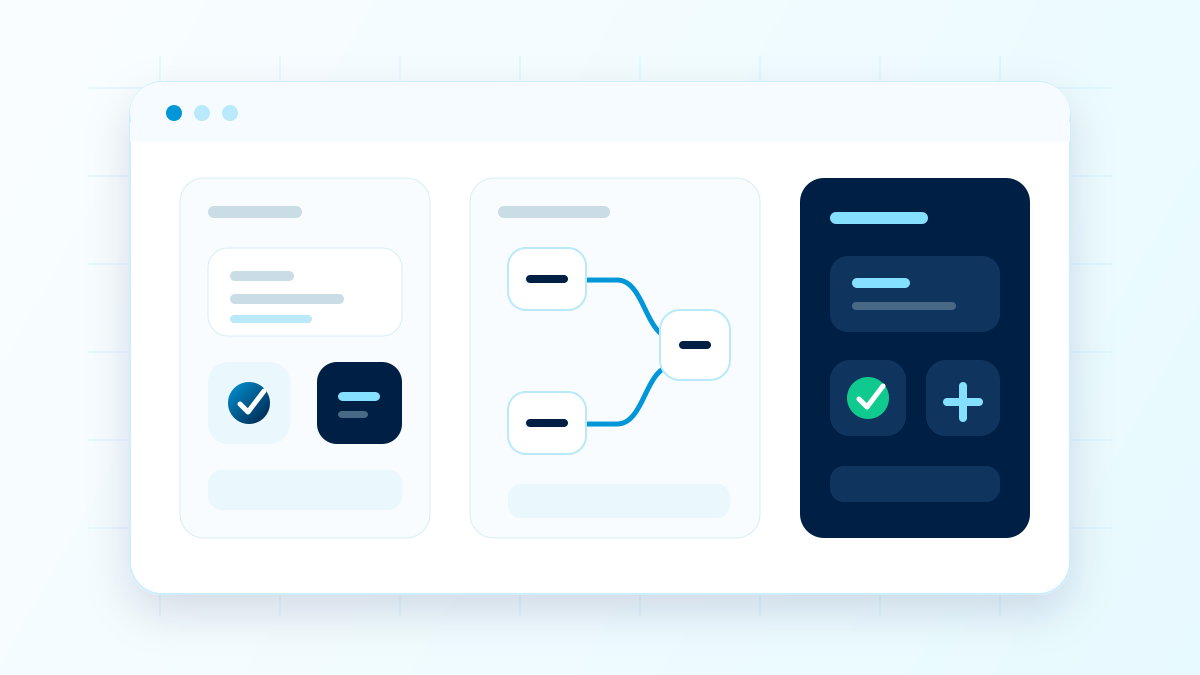
Our design work connects user research, product structure, UI detail, reusable components, and developer handoff so teams can ship clearer interfaces with less rework.
User interviews, journey mapping, persona context, workflow analysis, and friction identification.
Low-fidelity layouts that validate information architecture, navigation, page hierarchy, and key actions.
High-fidelity screens with typography, spacing, color, components, states, and responsive behavior.
Micro-interactions, loading states, feedback patterns, and motion guidance for clearer user actions.
Testing important flows before engineering so usability problems are cheaper to fix.
Reusable component libraries, patterns, tokens, and documentation that keep future screens consistent.
Effective UX/UI service pages go beyond visuals: they explain research, workflows, prototypes, design systems, usability testing, accessibility, and handoff. We connect design decisions to product behavior so engineering can build without guessing.
We map users, tasks, journeys, screens, information hierarchy, roles, edge states, empty states, and decisions that make the product easier to understand.
Wireframes, responsive UI, reusable components, states, interaction notes, accessibility checks, and visual consistency reduce design debt as the product grows.
Clickable prototypes, specs, assets, component notes, motion cues, and developer collaboration help the implemented product match the approved experience.
We move from discovery to wireframes, prototype, visual design, systemization, and handoff. The goal is a product experience that users understand and developers can implement without guesswork.
We define user groups, jobs to be done, current friction, product goals, and the screens that matter most.
We create wireframes and clickable prototypes so stakeholders can test the flow before high-fidelity UI work.
We refine visual design, components, responsive states, interactions, and edge cases with product and engineering feedback.
We prepare assets, component notes, flows, and implementation guidance so the design can ship accurately.
Blisslers provides UX/UI design services for SaaS, web, and mobile products, including research, information architecture, wireframes, prototypes, design systems, usability improvements, and developer-ready handoff.
Blisslers can include UX research, product audits, information architecture, user flows, wireframes, UI design, interactive prototypes, design systems, accessibility checks, and developer handoff.
Yes. Blisslers can audit an existing SaaS, web, or mobile product, identify friction, simplify flows, improve visual consistency, create a design system, and prepare a practical redesign roadmap.
Good handoff gives developers clear components, layouts, states, assets, spacing, interaction notes, and responsive behavior, which reduces rework and keeps implementation aligned with the approved design.
Yes. Blisslers can create lean or full design systems with reusable UI components, states, tokens, usage guidance, and handoff documentation for growing product teams.
A focused product audit or landing flow can take 1 to 3 weeks. A full SaaS or mobile app design usually runs in phases across discovery, wireframes, UI, prototype review, and handoff.


